
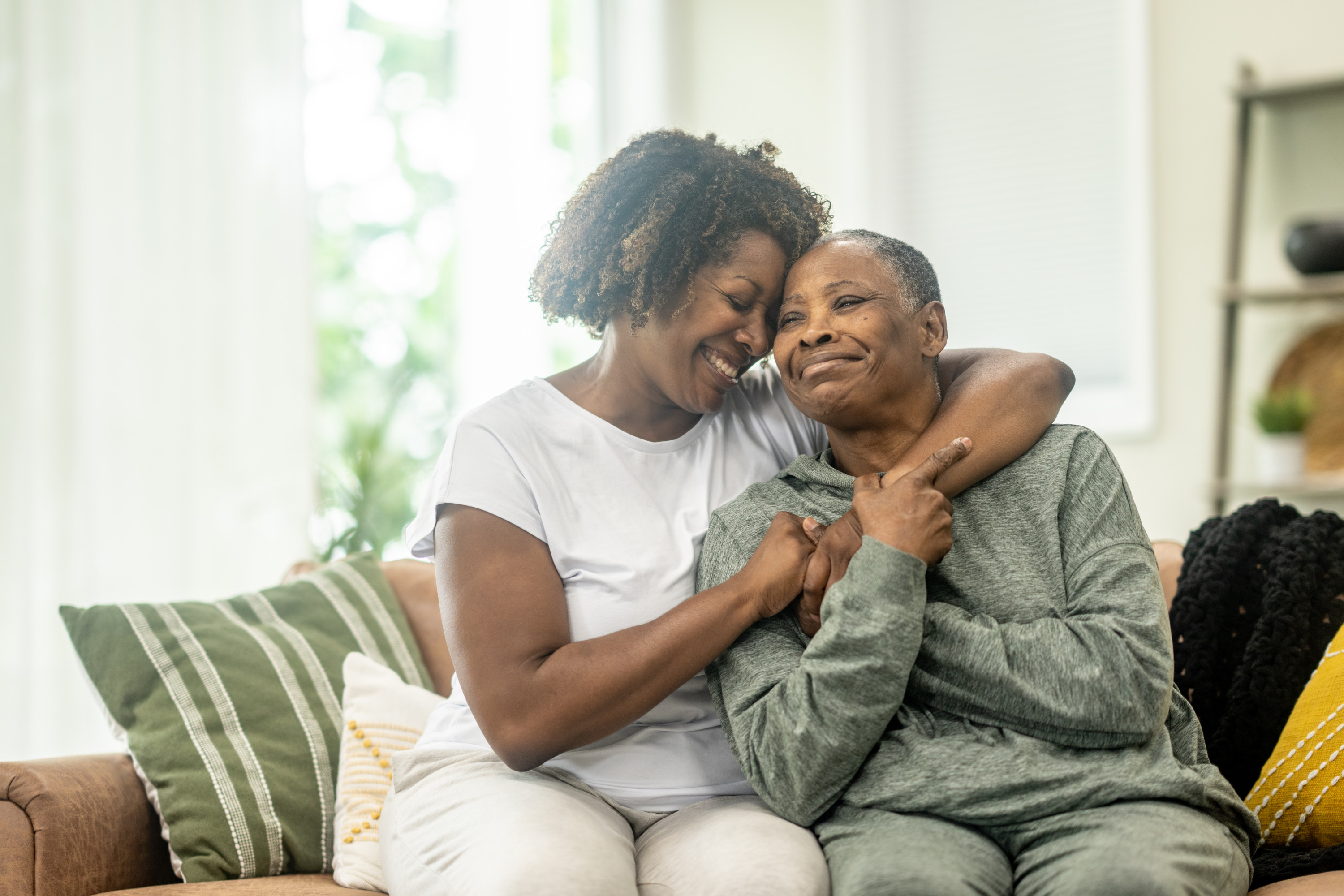
Touring a memory care neighborhood can bring a mix of emotions for families. Along with practical questions about care and safety, many families are also trying to answer a more personal question: Will this feel like the right place for someone I love?
While brochures and amenities are important, the true character of a memory care neighborhood is often found in the everyday moments — how team members speak with residents, whether engagement feels purposeful, and how the environment supports comfort, familiarity, and connection.
At Maplewood, memory care is grounded in personalized support, meaningful engagement, and creating a sense of belonging for each individual. Here are several areas families should focus on when touring a memory care neighborhood.
Beautiful spaces matter, but atmosphere matters even more.
As you tour, pay attention to how the neighborhood feels. Is it calm and welcoming? Are residents engaged throughout the day? Do interactions between residents and team members feel warm, patient, and genuine?
A strong memory care neighborhood should feel lived in and supportive, not overly clinical or disconnected. Familiar routines, comfortable gathering spaces, and opportunities for meaningful interaction can all contribute to a greater sense of comfort and stability for residents living with dementia.
At Maplewood, memory care neighborhoods are intentionally designed to feel warm, residential, and inviting while supporting safety and ease of navigation.
Personalization is one of the most important aspects of dementia care. Families should understand how a community learns about residents as individuals, not simply as care recipients.
Questions families may consider asking include:
At Maplewood, relationship-centered care begins with understanding each resident’s life story, preferences, and strengths. This information helps shape everything from daily routines to engagement opportunities, creating experiences that feel more familiar and purposeful.
A full activity calendar does not always mean engagement is meaningful.
When touring, families should ask how programs are adapted for different abilities and whether engagement opportunities are personalized and flexible. Meaningful engagement in memory care should encourage participation without creating pressure or overstimulation.
Residents may participate in music, creative arts, movement, sensory experiences, culinary activities, intergenerational programs, and small-group engagement tailored to individual interests and comfort levels.
Families should feel confident not only in the care being provided, but also in the people providing it.
Questions to ask may include:
At Maplewood, memory care team members receive ongoing dementia-focused education centered on communication, relationship-building, and understanding the evolving experience of cognitive change. Consistency among caregivers helps foster trust and emotional comfort for residents.
The transition into memory care affects the entire family. Communities that prioritize communication and partnership can help families feel more supported throughout the process.
Families may want to ask:
At Maplewood, families are viewed as essential partners in care. Communities often offer caregiver support groups, educational events, family meetings, and opportunities for shared experiences that help families stay connected while navigating the evolving dementia journey together.
Safety is an essential component of memory care, but the best environments balance safety with dignity, autonomy, and comfort.
Questions families may ask include:
At Maplewood, safety is supported through thoughtful design, personalized care approaches, and innovative technologies that help teams proactively identify changes in residents’ well-being. The goal is to create an environment where residents feel secure while still maintaining choice and routine.
Often, the most meaningful insights come from simple observations during a tour. Notice whether residents appear comfortable and engaged. Observe how team members communicate. Pay attention to whether the environment feels calm, respectful, and welcoming.
Those everyday interactions often reflect the true culture of a memory care neighborhood.
To learn more about memory care at Maplewood, schedule a personalized visit and discover how our relationship-centered approach helps create meaningful experiences for individuals living with dementia and the families who support them.
Sign up to receive the latest posts straight to your inbox.
Keep Reading


