
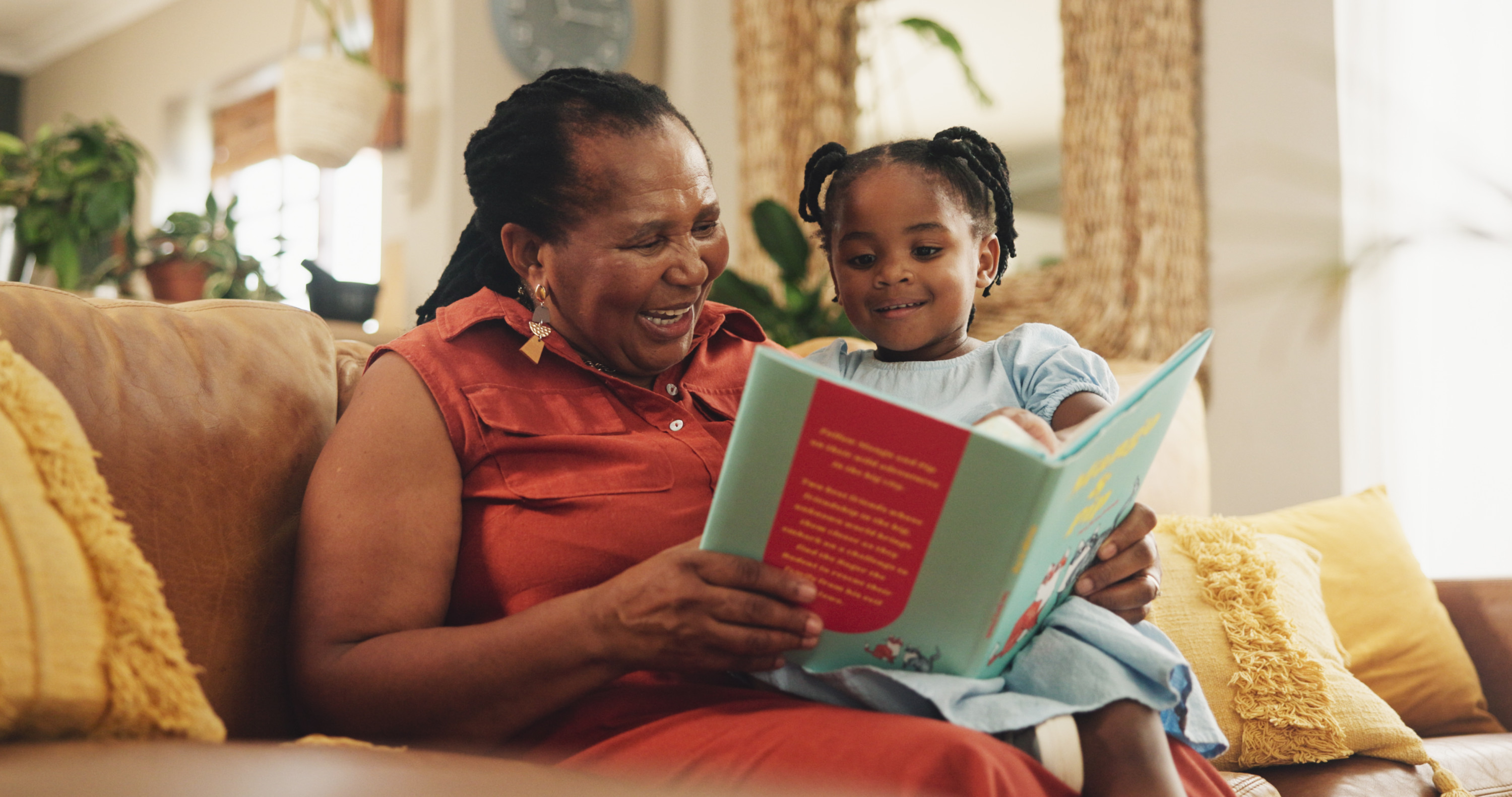
Grandparents Day is a time to celebrate the people who have helped shape our families, but it can also be an invitation to learn more about the lives they lived before we knew them.
We may know where our grandparents grew up, what they did for work, or how they met their spouse. But how often do we ask what they dreamed about as children? Who influenced them most? What made them nervous on their first day at a new job? What traditions from their own grandparents have stayed with them?
At Maplewood, we see the value of these conversations every day. Residents bring decades of stories, knowledge, humor, traditions, and perspectives to our communities. Through intergenerational partnerships, volunteer programs, music, shared activities, and everyday conversations, there are opportunities for those stories to be told and for younger generations to listen.
This Grandparents Day, consider starting a conversation of your own.
Questions about childhood can uncover stories that may never have come up around the dinner table. They also give younger family members a window into what everyday life looked like in a different era.
Consider asking:
You do not need to move quickly from question to question. One memory may lead to another, and those unexpected turns are often where the best stories emerge.
We see that happen when younger visitors spend time in our communities, too. At Maplewood at Southport, members of the Staples High School football team regularly join residents for bingo. What starts as a game creates space for conversation and laughter between generations. The students bring their own experiences into the community, while residents have opportunities to share perspectives that come from decades of learning.
Grandparents have identities and experiences that extend far beyond the role we know them in today. Asking about the milestones that shaped them can help grandchildren discover the person behind the family title.
Try asking:
This idea has taken on special meaning through Maplewood’s partnership with The Legacy Project, an intergenerational initiative that pairs college students with residents to document their life stories. Students and residents meet over time, building relationships through questions and conversation. The stories they uncover are ultimately preserved in books that residents can share with their families.
The program has connected Maplewood residents with students from universities including Tufts University and Kent State University, with the partnership expanding to additional communities. It is a powerful example of what can happen when someone simply takes the time to ask, listen, and remain curious, resulting in an important preservation of history and humanity
Family history does not live only in names and dates. It can be found in a recipe written on an index card, a song someone always sings, an ornament that comes out every December, or a photograph tucked into an album.
Ask:
These conversations are also a reminder that sharing across generations does not have to be formal. Across Maplewood communities, visits from local students, Girl Scout troops, youth organizations, and other community groups create opportunities for residents and younger people to spend time together. A shared activity can quickly become a chance to compare childhood experiences, talk about changing traditions, or discover something unexpected they have in common.
Some questions become more meaningful precisely because they can only be answered with the perspective of time.
Consider asking:
These are the types of conversations that demonstrate why intergenerational relationships are so valuable. Younger people have an opportunity to hear wisdom they may not encounter among their peers, while older adults are recognized not simply for where they are in life today, but for everything they have experienced and can contribute.
Not every conversation needs to focus on life lessons. Some of the most memorable answers may come from questions that make everyone laugh. Ask about a fashion trend they loved, their first car, a memorable vacation, the most trouble they got into as a teenager, a celebrity crush, a favorite meal, or something adventurous they once did.
If your grandparent is comfortable with it, consider recording your conversation on your phone or writing down some of the answers. Look through photographs together and add names, dates, places, and the stories behind them. Ask about recipes, favorite songs, family sayings, or objects that have been passed down.
These do not need to become elaborate family history projects. A short recording of someone’s voice, a handwritten recipe with its backstory, or a few pages of memories can become an invaluable part of a family’s history.
Grandparents Day may provide the occasion to begin these conversations, but there is no reason they need to end when the day is over. So start with one question. Listen to the answer, ask the follow-up, and see where the conversation leads. There is always more to someone’s story than we know.
Learn more about Maplewood Senior Living and the programs, partnerships, and experiences that keep residents connected to the people and communities around them.
Sign up to receive the latest posts straight to your inbox.
Keep Reading


